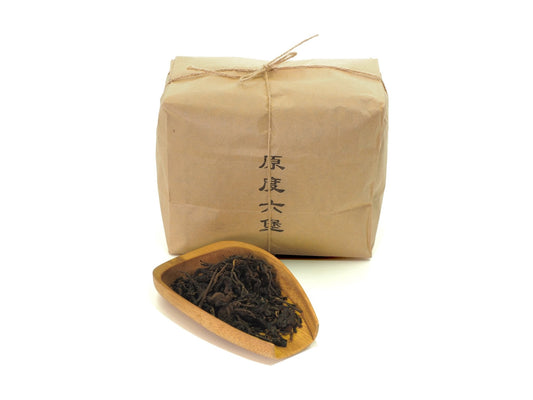
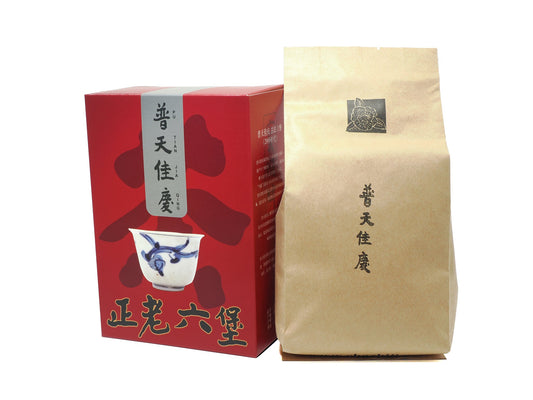
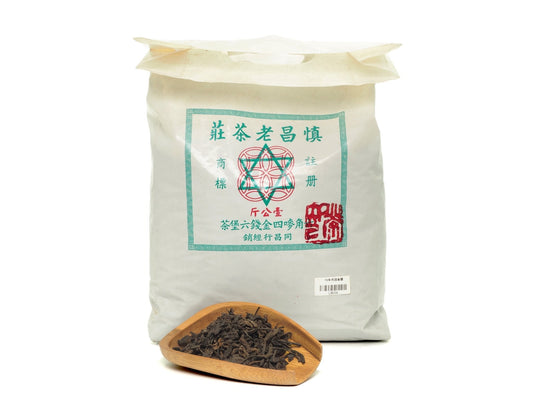
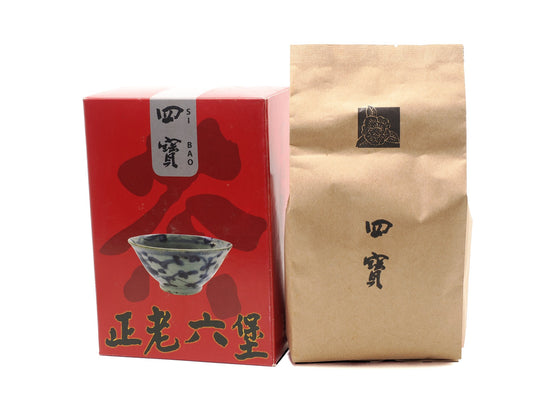
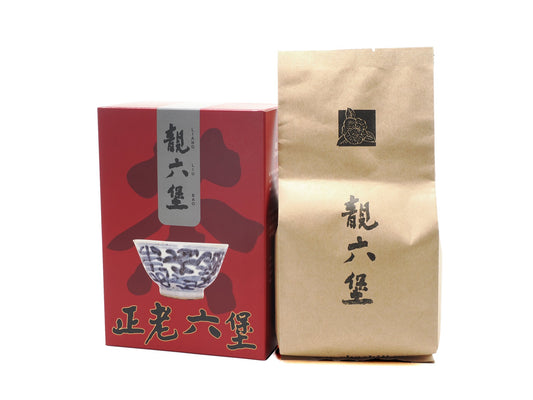
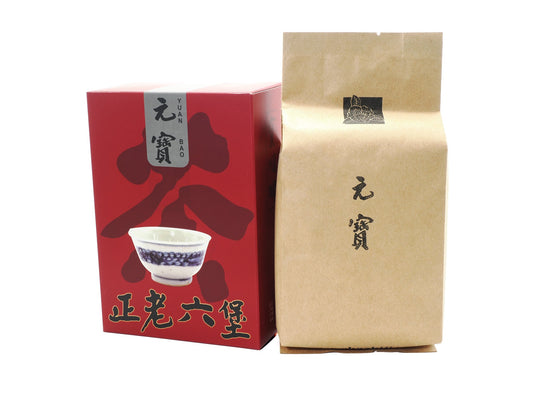
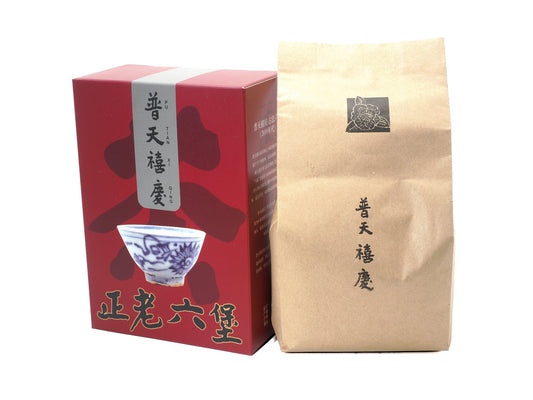
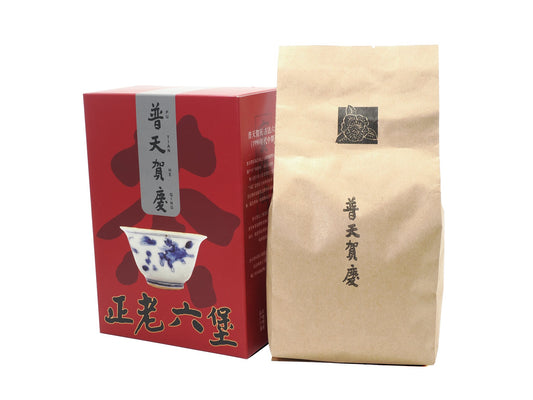
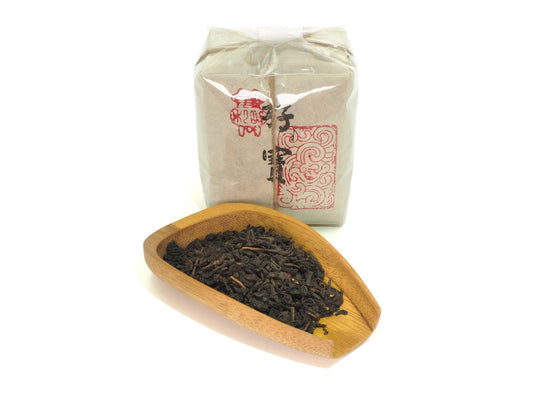
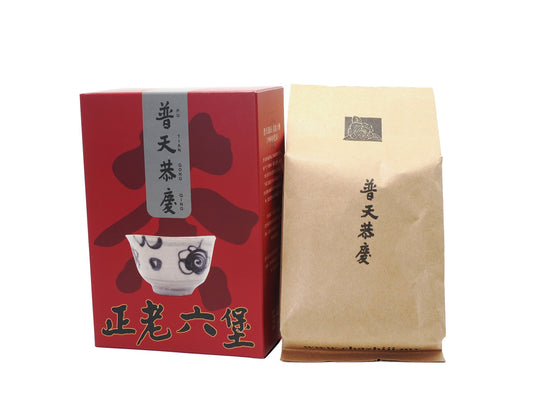
Collection: Authentic Liubao Tea Crafted for Long-Term Aging and Smooth Taste

Traditional Liu Bao Tea from Guangxi – Aged & Rare Dark Tea

Origin and Handcrafted Processing

Cha Zhi Ji's Liu Bao Tea is produced in Cangwu County, Guangxi Province. Carefully plucked from one bud with two to four leaves, the tea undergoes an intricate primary process: kill-green, rolling, pile fermentation, re-rolling, and drying to form the base material. It is then refined through sorting, blending, cold-water pile fermentation, shaping, air drying, and long-term aging in storage.

Double-Steamed, Double-Pressed Craftsmanship

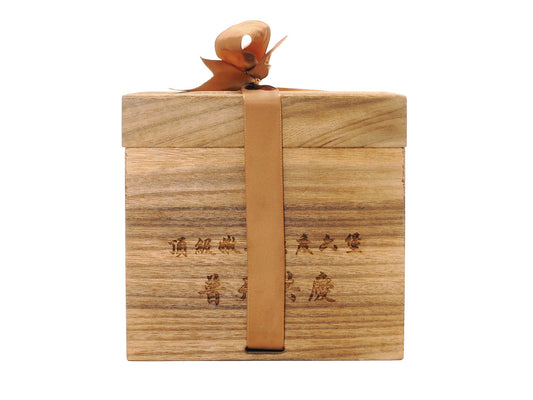
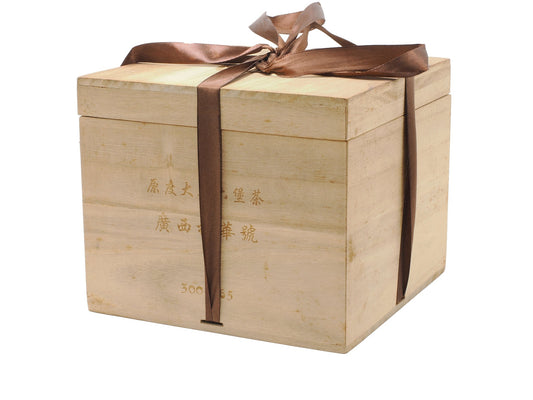
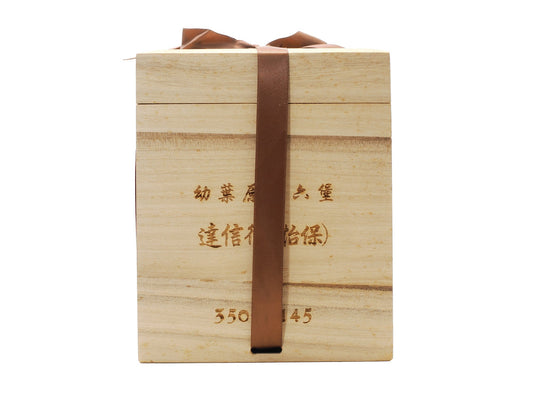
We specialize in traditional “Double-Steamed Double-Pressed” Liu Bao, a rare technique involving two rounds of steaming and compression. Tea leaves are first steamed and pressed into wooden boxes for 20+ hours of gentle fermentation, then broken apart, steamed again, and shaped into baskets or bricks. This method enhances aging potential and deepens flavor complexity.

Aged Liu Bao & the Opening Ceremony Tradition

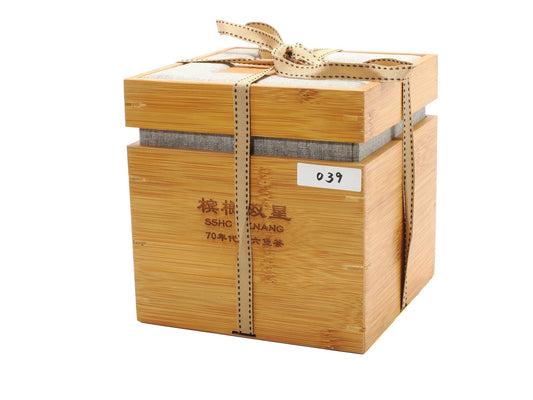
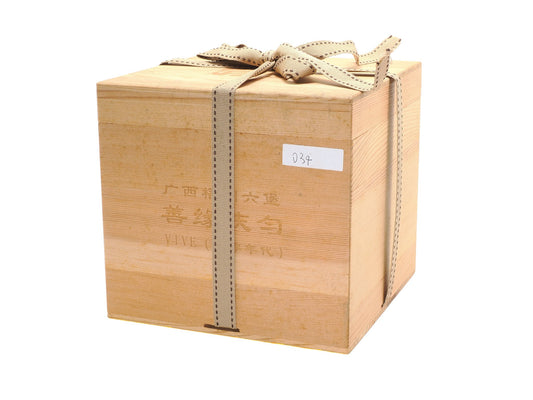
Cha Zhi Ji has curated aged Liu Bao teas dating from the 1930s to 2000s, including rare vintages like 1930s PTC, 1950s Fuhua, and 1970s SSHC. To honor this legacy, we created the “Good Karma Opening Ceremony” — a public event where entire baskets of aged Liu Bao are opened, weighed, and sealed into porcelain jars or Yixing clay pots. This practice celebrates the authenticity, shareability, and heritage of truly aged Liu Bao Tea.

Liu Bao Tea FAQ

What is Liu Bao tea, and what type of tea is it?

Liu Bao tea comes from Cangwu County in Wuzhou, Guangxi Province, China. It's a Chinese dark tea (hei cha) — one of China's six major tea types. After processing — which includes fixing, rolling, wet-piling, and drying — the leaves keep ageing, and their aroma and flavor grow richer and more layered over time.

Why is it called "Liu Bao" tea?

Liu Bao tea originated in and around Liubao Town in Cangwu County, Guangxi, so it takes its name from that place of origin. Over a long history, the name "Liu Bao tea" (sometimes spelled "Liubao tea") became the general name for tea from this whole region.

What does Liu Bao tea taste like?

Liu Bao tea is usually mellow and smooth, with a distinctive character built on aged, woody, and betel-nut notes. Different leaves, processing methods, and storage times each give their own aroma and flavor.

Why is Liu Bao tea so common in Southeast Asia?

Liu Bao tea reached Southeast Asia early on, carried along trade routes between Guangdong and Guangxi, and became a familiar everyday tea in Chinese communities there. It keeps well, travels well over long distances, and ages well over time — which is why it left such a deep tea-drinking tradition across Southeast Asia.

Is Liu Bao tea always a compressed tea?

Not necessarily. Liu Bao comes as loose leaf as well as in baskets, bricks, cakes, and tuo (bowl-shaped) forms. The different formats mainly reflect differences in processing, transport, and storage — what matters when you drink it still comes back to the quality of the leaf itself.

What's the difference between traditional Liu Bao and modern wet-piled Liu Bao?

Traditional Liu Bao relies mainly on the leaf's own changes over long storage, letting the tea transform slowly. Modern production adds steps such as wet-piling to speed up fermentation. The two methods give different aromas, flavors, and ageing characteristics.

Does Liu Bao tea really "get better with age"?

Liu Bao is well suited to long-term storage and can develop different aromas and flavors over time. That said, the raw leaf, the processing, and the storage environment all affect the final quality. When buying Liu Bao, vintage is a useful reference — but the tea in the cup matters more.

How should I read a Liu Bao tea's vintage?

Vintage is a reference point — whether the tea tastes good is what really counts. You can't judge age from color or aroma alone. Look at the packaging, production records, and storage history, then compare that with how the leaf looks, smells, and tastes.

Can I drink Liu Bao tea as soon as I buy it?

Yes. Liu Bao is ready to drink as soon as you buy it, though different teas are at different stages. Some taste bolder and more intense when freshly made; after some time in storage, the aroma softens and the tea becomes smoother. Choose whichever style you like best.

How should I brew Liu Bao tea?

Brew Liu Bao with hot water at a high temperature. The more tightly compressed the leaf, the longer it needs to steep so it can open up and give a full flavor. Liu Bao generally stands up to many infusions, so brew it repeatedly and follow how the aroma and flavor shift from steep to steep.