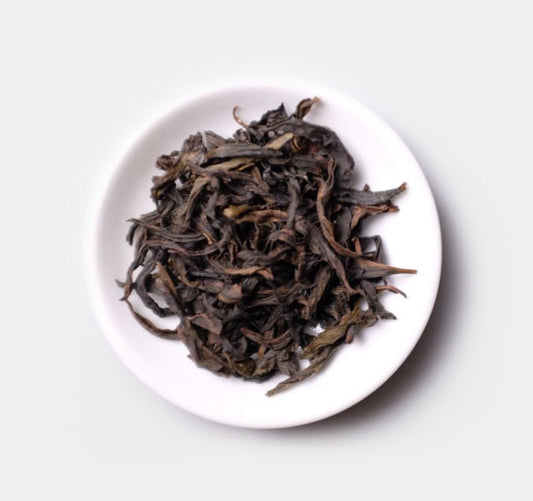
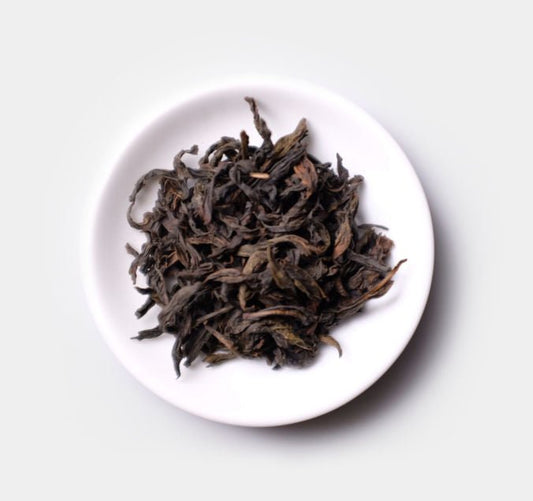
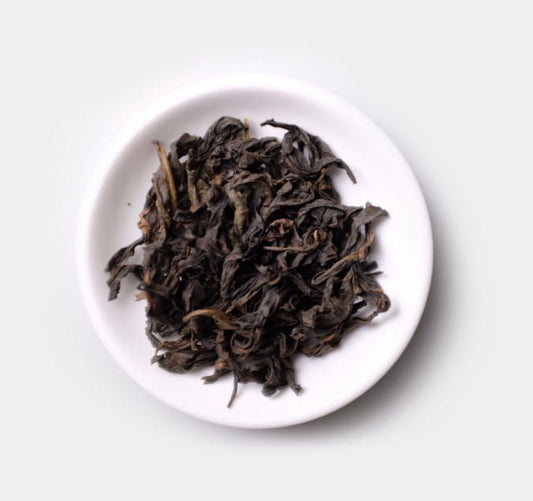
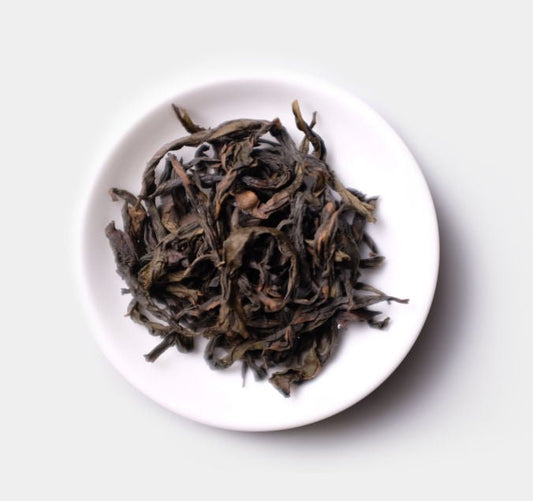
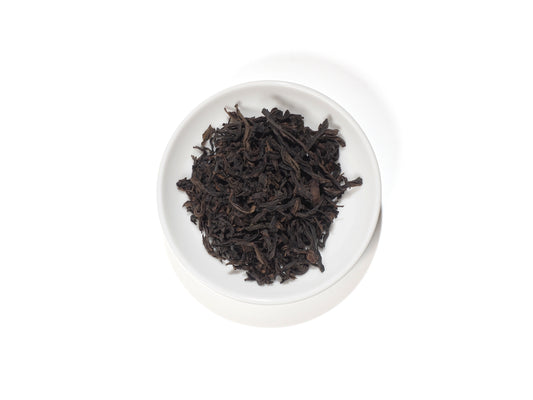
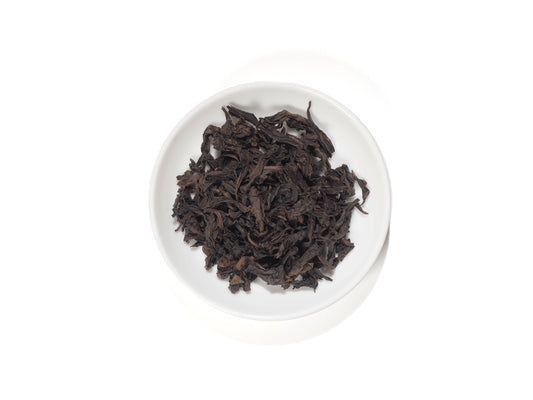
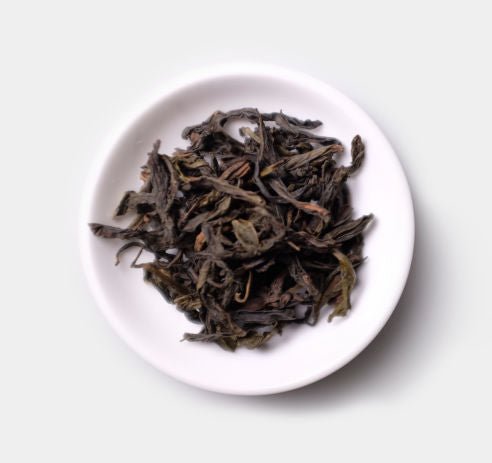
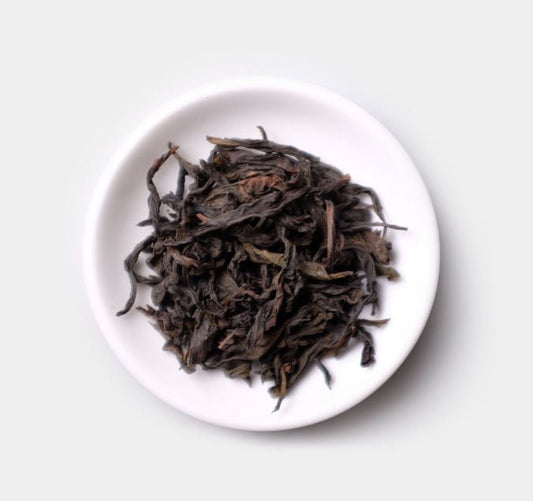
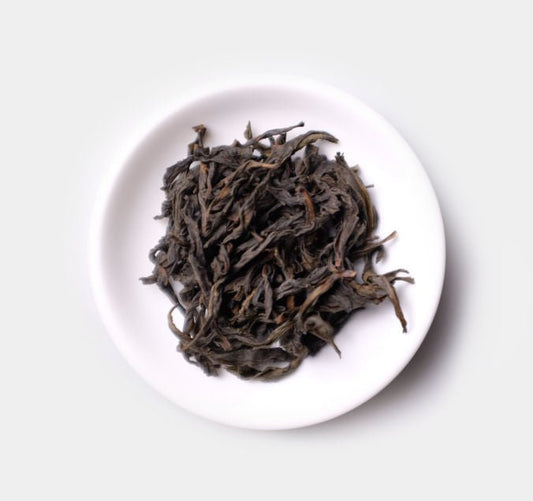
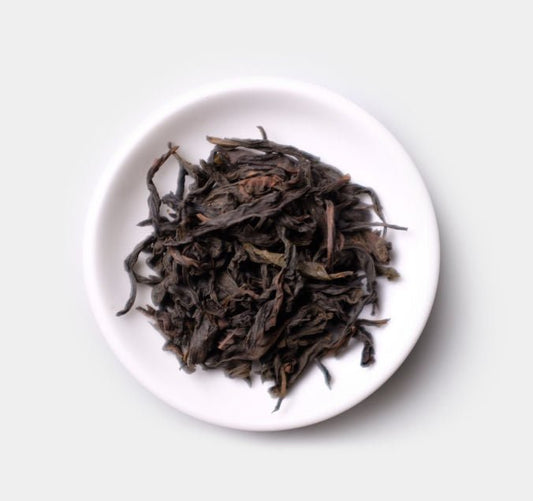
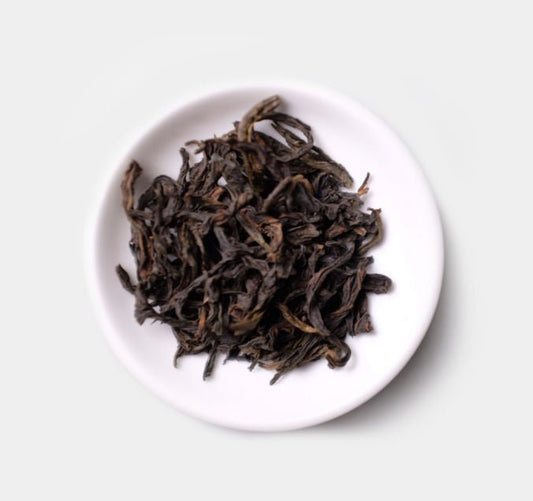
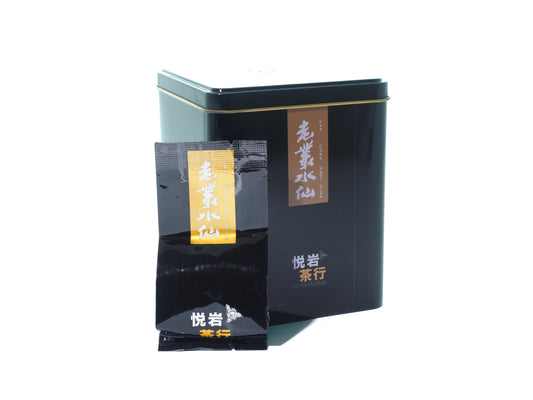
Collection: A Curated Selection of Wuyi Rock Tea with Mineral Depth

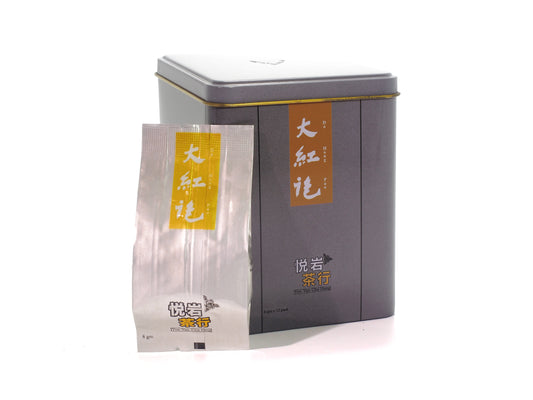
Handcrafted Wuyi Rock Tea – Spring Harvest from Wuyishan

Selective Spring Harvest for Peak Flavor

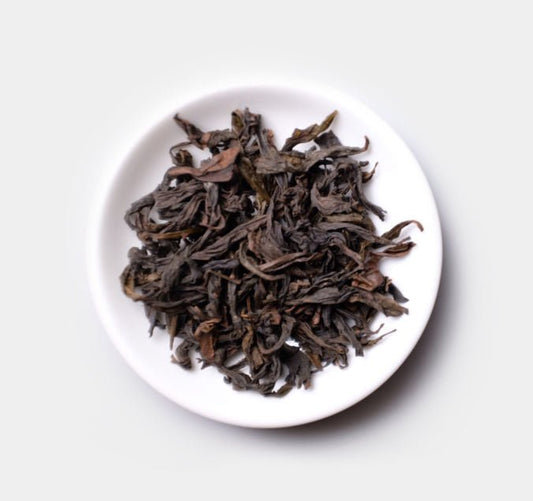
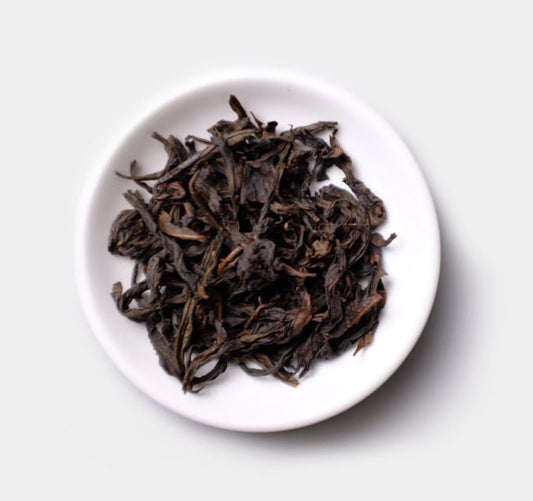
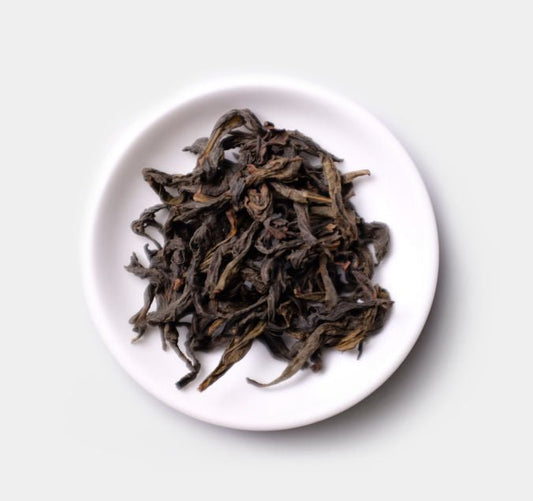
Cha Zhi Ji’s Wuyi Rock Tea is picked only once a year, during the spring season between Qingming and Grain Rain. This timing ensures optimal leaf maturity, with the ideal picking standard being one bud and three leaves — specifically when the second leaf is half-open. This precise timing captures the richest internal quality of the tea.

Traditional Handcrafting and Roasting

All of our Wuyi Rock Teas are processed by hand using time-honored methods. After traditional pan-firing, the leaves undergo a unique slow-roasting process known as “Dun Huo” — low fire roasting that gently transforms the tea’s aroma and flavor profile. This enhances the tea’s depth, smoothness, and signature "Yan Yun" (mineral charm).

Tasting Profile and Signature Character

Expect a bright amber liquor with refined floral fragrance, balanced by a rich, full-bodied texture and long-lasting sweetness. The tea exemplifies the best of Wuyishan’s terroir and craftsmanship, offering a rare harmony of minerality, smoothness, and complexity.

Wuyi Rock Tea FAQ

What is Wuyi rock tea (yancha)?

Wuyi rock tea (yancha) comes from the Wuyi Mountains in Fujian, China, and is a type of oolong. It's made through steps that include zuo qing (shaking and resting the leaves), fixing, rolling, and roasting, giving a rich aroma and a full-bodied liquor. It's one of the most representative teas of Wuyishan.

Why is it called "rock tea"?

The Wuyi Mountains have a distinctive landscape of rock, valleys, and streams. Tea bushes grown in this mountain terrain take on a unique sense of place — which is why the tea is called "Wuyi rock tea."

What does Wuyi rock tea taste like?

Wuyi rock tea is typically rich in aroma, with a liquor that has real body, a mellow, full flavor, and a clear returning sweetness (hui gan) after you drink. Different varieties, growing sites, and roast levels bring out different styles — floral, fruity, or roasted notes.

What is "Yan Yun" (rock charm)?

"Yan Yun," or rock charm, is the distinctive tasting sensation of Wuyi rock tea. It isn't a single fixed flavor — you come to recognize it gradually through the liquor's thickness, its fullness, the aftertaste, and the way it feels in the mouth.

Why is Wuyi rock tea roasted, and what is "Dun Huo"?

Roasting is a key step in making Wuyi rock tea: it adjusts the leaf's aroma and flavor and makes the liquor more mellow. "Dun Huo" (slow simmering-fire roasting) means roasting slowly at a relatively low temperature over a longer time, so the tea's aroma, the roast character, and the liquor blend together more completely.

What makes Cha Zhi Ji's Wuyi rock tea distinctive?

Cha Zhi Ji's Wuyi rock tea is picked only once a year, from the spring harvest, using zhong kai mian (mid-open) leaves, and made by traditional hand processing with a slow, gentle-fire roast. The liquor is bright orange-red and clear, with a fine floral aroma, a mellow, rounded flavor, a long returning sweetness, and clearly defined rock charm.

What does "zhong kai mian" mean, and why does it suit rock tea?

"Zhong kai mian" (mid-open leaf) describes a stage of maturity at picking: the leaf beside the bud has opened out but is not yet fully mature. This moderate maturity is well suited to making Wuyi rock tea.

Why does freshly roasted rock tea have a "fire" aroma? Is it better after resting?

A pronounced roast aroma in freshly roasted rock tea is normal. After a suitable period of storage, the fire notes gradually soften and merge with the tea's own aroma, and the liquor becomes rounder.

What should I look for when buying Wuyi rock tea?

Start by learning about the variety, the growing site, the processing, and the roast — then actually taste the liquor. For a drinker, what matters most is simply whether the tea tastes good: a pleasant aroma, a balanced flavor, a liquor with body, and a lingering aftertaste.

How should I brew Wuyi rock tea?

Rock tea is best brewed with fully boiling, high-temperature water, Gongfu-style, across multiple infusions. The early steeps show a clean, pure aroma; the middle and later steeps make the liquor's body, its returning sweetness, and the rock charm easier to taste.